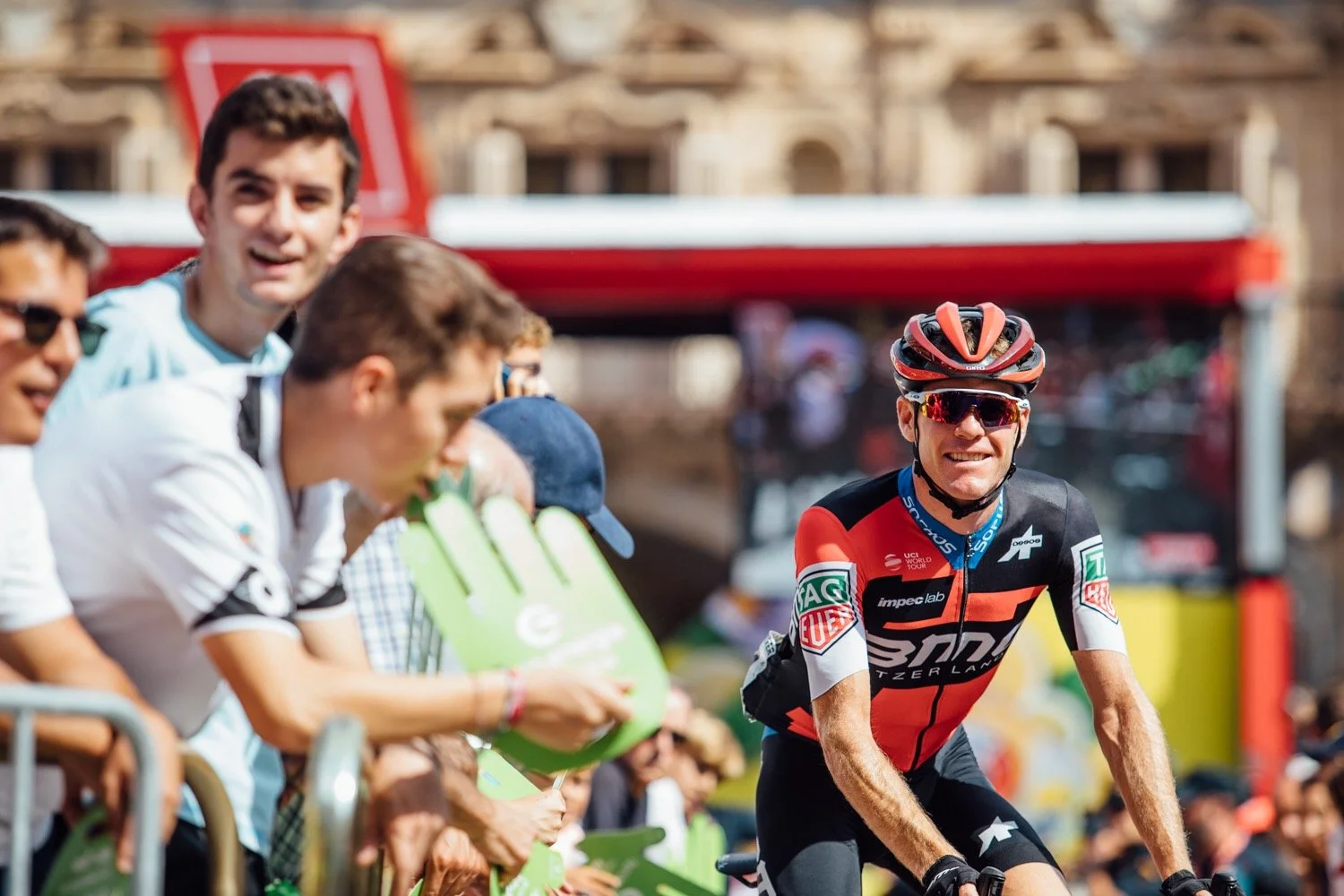
The Vuelta, Resilience, and the Tree of Performance Excellence
I’ll be honest: it took me until the third week of this year’s Vuelta a España to really tune in.
A packed August on the heels of the Tour de France left me with a familiar "cycling coverage hangover." But deeper than that, my delayed interest was rooted in my own complicated relationship with the third and final Grand Tour of the season.
Of my 16 years as a professional, I only raced the Vuelta twice—in 2012 and 2018. Because the start of my Grand Tour career was so deeply tied to the Tour de France, the Vuelta often felt like stale leftovers at the end of a long year. In the peloton back then, it was often where "Tour rejects" were sent. In 2012, missing out on my team’s TDF roster left me crushed, and I failed to make the most of the opportunity in Spain.
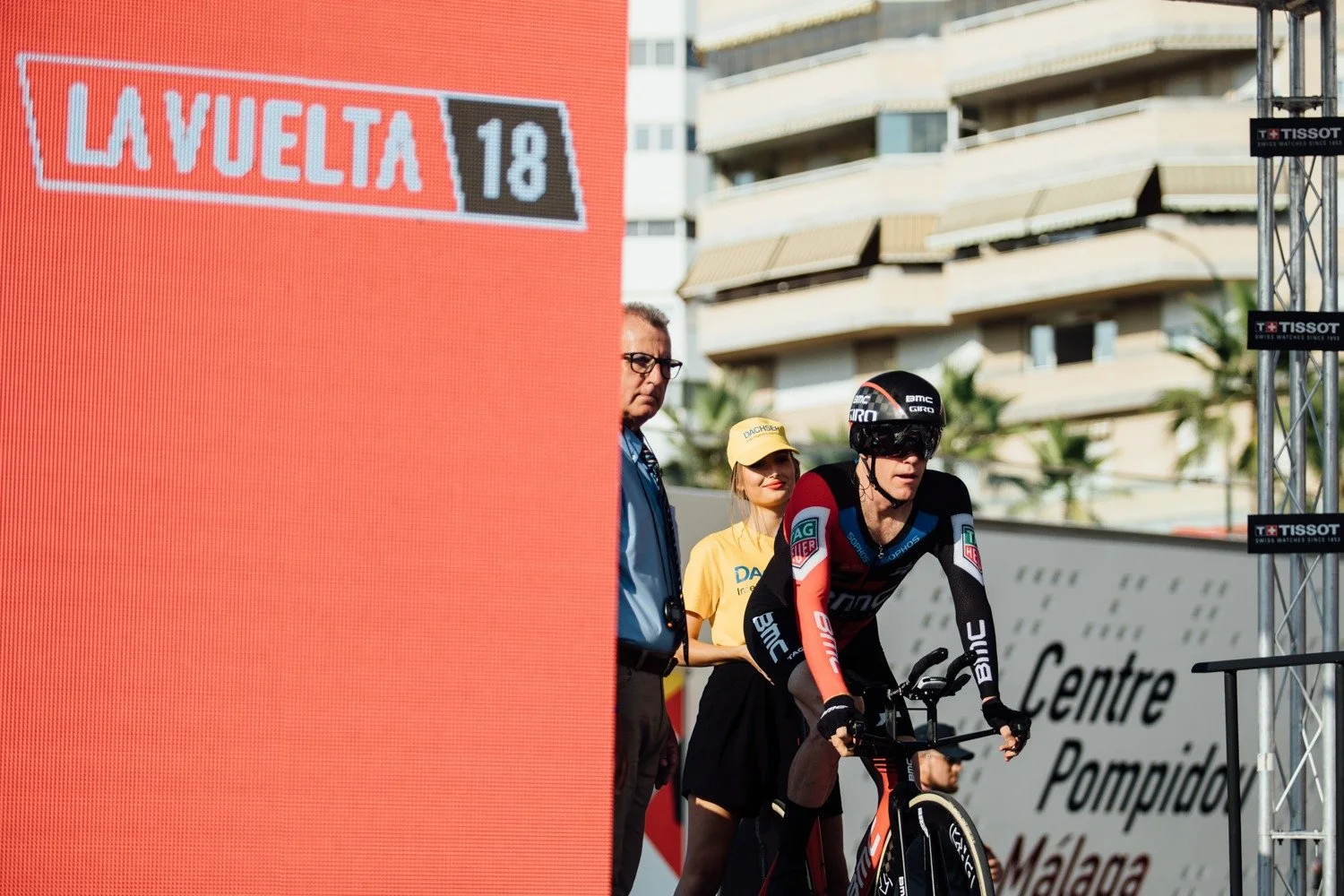
By 2018, however, my perspective had shifted. Racing my final Grand Tour with BMC Racing Team brought the maturity of eight years of Grand Tour racing. I was in great shape, genuinely enjoyed the race, and got to celebrate standout results with my teammates.
Reflecting on this year’s race from the outside, one word kept surfacing: Resilience.
The old cliché of the Vuelta being the "relaxed Grand Tour" is officially dead. The brutal profiles, scorching heat, and relentless tactical racing demand an extraordinary capacity to endure. But more than just surviving 21 days on the road, this year’s Vuelta was resilience in action across the phases of a career.
Resilience Starts at the Roots
In mental performance coaching, athletes often view resilience as the ultimate goal. In my visual framework—The Tree of Performance Excellence—resilience sits right at the top.
You don’t magically become resilient on the start ramp. Resilience is the outcome of deep investment in foundational layers:
Motivation & Values Alignment (Understanding your deep "why")
Identity & Well-Being (Knowing who you are off the bike)
Confidence & Mindfulness (Staying anchored under pressure)
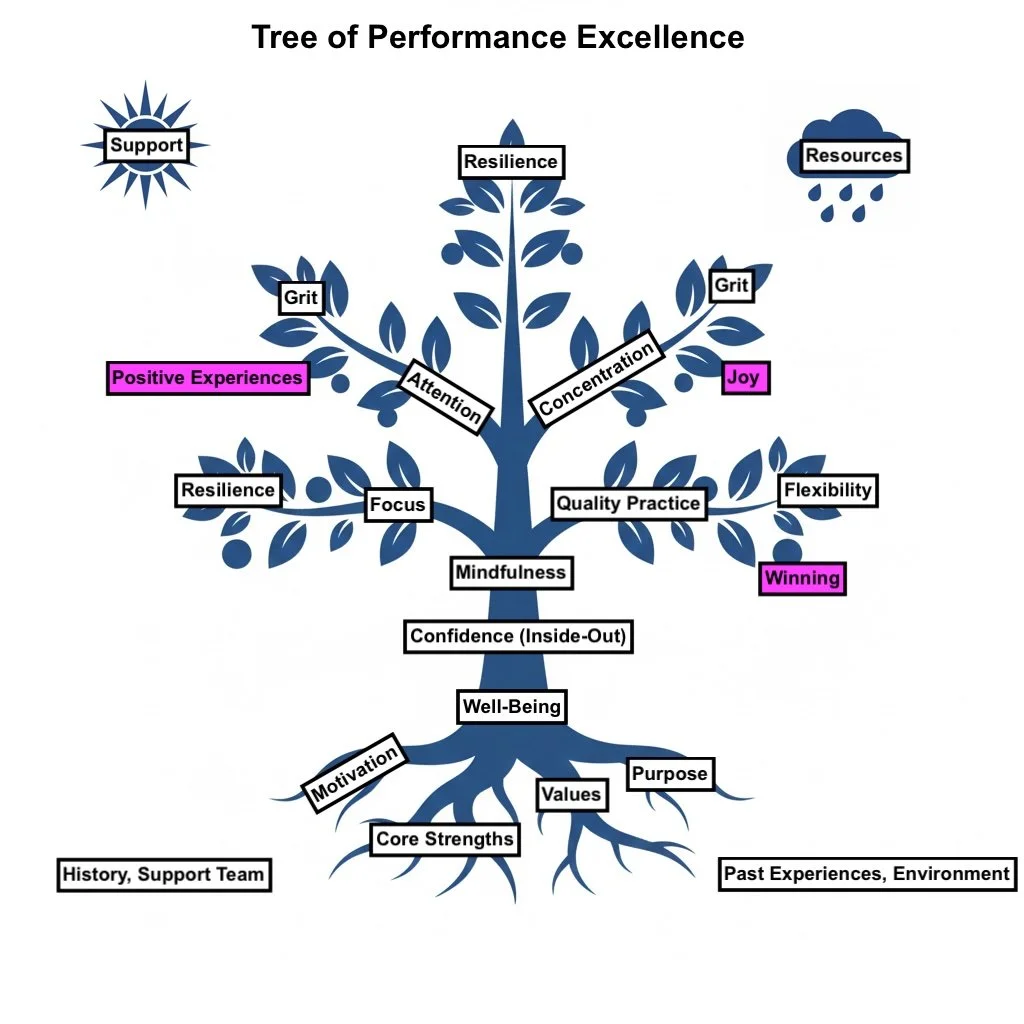
When these roots are nurtured, we can layer on strategic pre/post-competition routines, visualization, and pressure training. The result? What can be considered rugged flexibility and adaptability "(Thanks Brad Stulberg!)—the applied capacity to absorb blows, pivot, and keep moving forward.
This year’s Vuelta peloton was packed with athletes demonstrating rugged flexibility in real time.
4 cases of lived Career Resilience
1. Mikel Landa: The Power of an Evolving "Why"
Mikel Landa’s Stage 20 victory was far more than an impressive single-day execution. It had been 14 years and 25 Grand Tours since his rookie Vuelta, and nearly a decade since his last stage win here in 2015.
Think of how many brutal days, crashes, and team changes he persevered through to get back to that top step—not to mention being one of the few riders in the race born in the 1980s. Hearing him cite the thought of his children as his primary motivation highlighted a deep, evolving "why" that sustained him across a 14-year span.
2. Wout van Aert: Shift to Approach Motivation
Wout was back. While some would argue he never left, the "Swiss Army knife" version of his riding had been missing in recent Grand Tours. Watching him share leadership with young Matthew Brennan was a tactical and psychological highlight.
Brennan’s early stage win seemed to trigger a cognitive shift in Wout toward approach motivation—he began racing to win rather than racing not to lose. Seeing Wout riding selflessly for Sepp Kuss late in the race was a powerful reminder: external variables change, but the core identity of a true competitor remains intact.
3. Enric Mas: Blocking Out the Noise
When Enric Mas finished second at the 2018 Vuelta—my final Grand Tour—I remember thinking, "This guy is going to win a stack of these."
He didn't. In fact, over the years, I’ll admit I became a skeptic when his name came up in Tour de France contender conversations. I firmly put myself in the camp of "those who mind don't matter."
Mas proved every critic wrong by staying locked into his own process. His willingness to step away from the traditional TDF project and focus on his strengths paid off massively. Guided in part by the reinvigoration brought by my former sports director, Matt White, Mas displayed remarkable self-belief. It didn't matter what anyone outside his inner circle thought—he kept pushing until he owned the top step.
4. The Long-Game Breakthroughs
Brian Coquard: A professional since 2013, Coquard finally snagged that elusive Grand Tour stage win after years of heartbreaking podium near-misses.
Stefan Küng: My former teammate endured a grim crash and arduous rehabilitation earlier this season, only to storm back and win the final Time Trial.
The Takeaway for Your Own Performance
Professional cycling is a brutal proving ground for human psychology. Whether you are aiming for a Grand Tour podium or navigating a difficult block in your own training or career, remember this: Resilience is not a personality trait; it is a trained ability.
If you want to handle the high-pressure moments at the top of your tree, you have to spend time doing the quiet work down at the roots.